

Elderly Home Care: What to Do When Mom Isn't Safe Alone
What to Do When Mom Can't Live Alone Safely
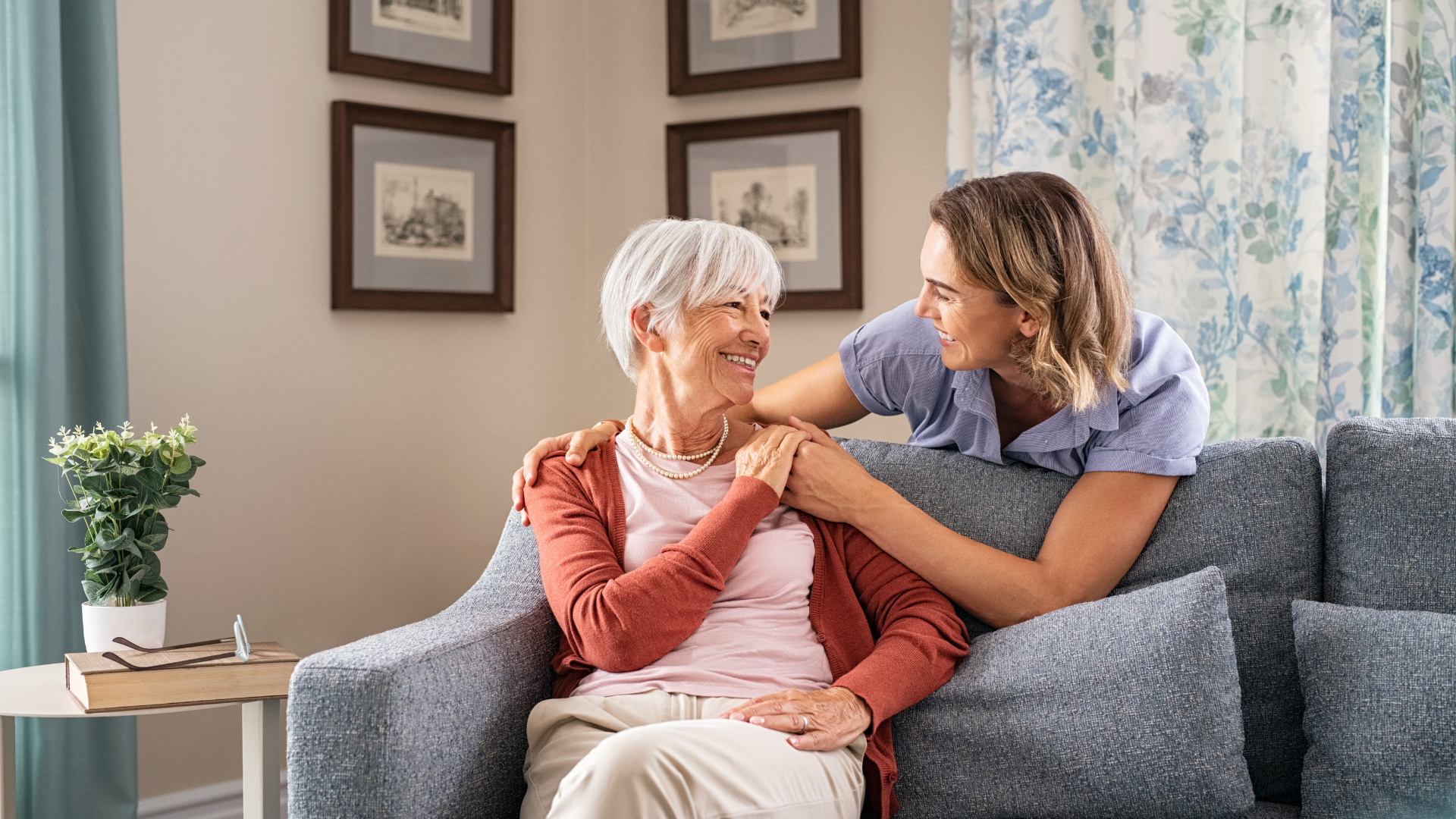
Watching a parent lose the ability to live safely on their own is one of the hardest experiences a family can face. Many adult children struggle with the decision because they want to respect their parent's independence while also protecting their health and well-being. Unfortunately, waiting too long to act can increase the risk of falls, medication mistakes, wandering, or medical emergencies.
If your mother lives in Beavercreek, OH, or a nearby community, recognizing the warning signs early can help prevent a crisis. The good news is that elderly home care allows many seniors to remain in familiar surroundings while receiving the support they need. With the right level of assistance, families gain peace of mind, and seniors can continue enjoying life at home safely.
How Do You Know It's No Longer Safe for Mom to Live Alone?
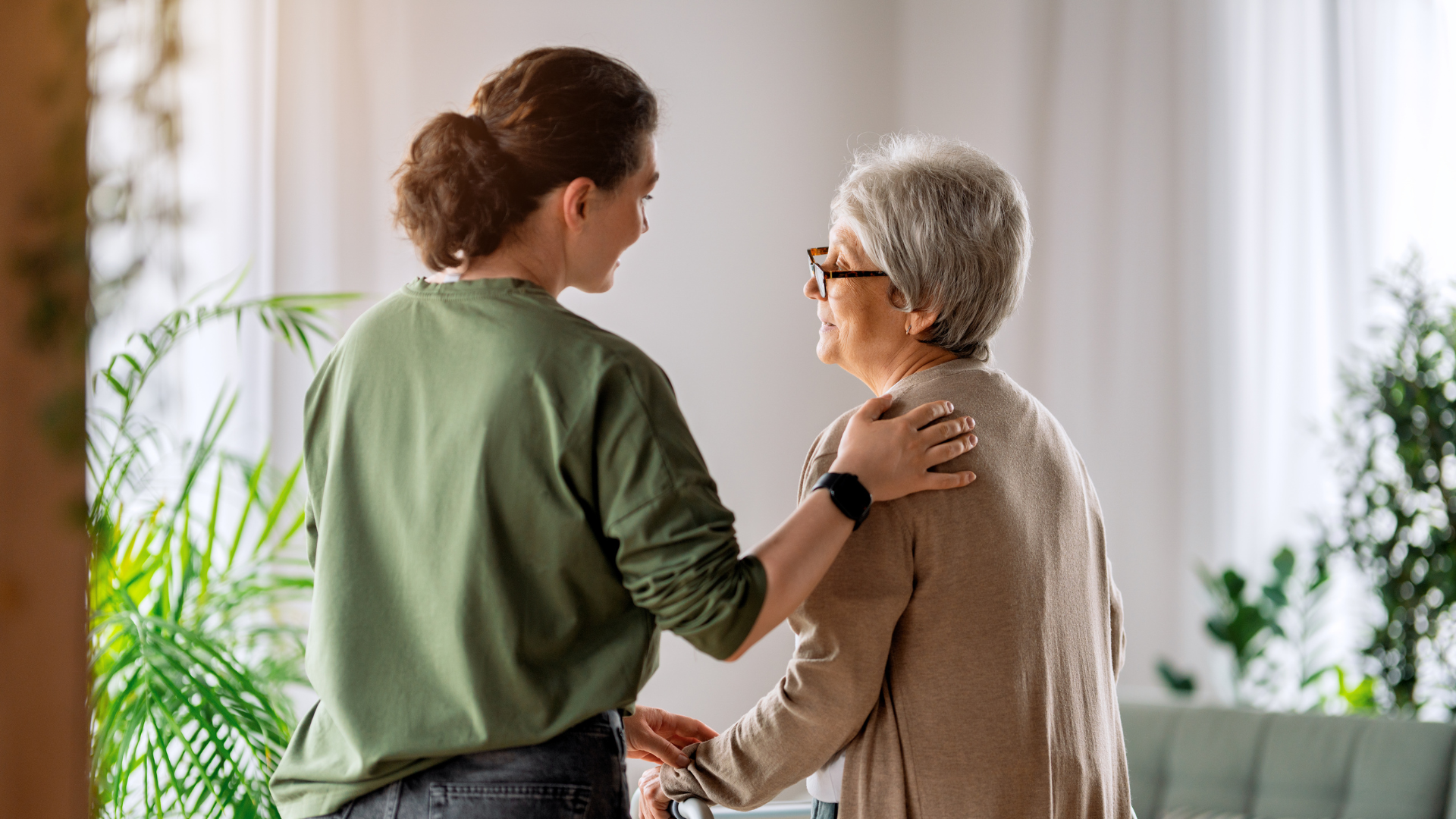
The changes often happen gradually, making them easy to overlook. One missed appointment or forgotten meal may not seem serious, but repeated incidents can point to a growing need for assistance.
Physical Safety Becomes a Concern
Falls are one of the biggest risks for older adults. You might notice unexplained bruises, difficulty walking, trouble getting up from a chair, or increasing reliance on furniture for balance.
Other warning signs include:
- Leaving the stove on
- Difficulty climbing stairs
- Trouble bathing safely
- Poor personal hygiene
- Weight loss from skipped meals
These issues suggest that senior safety is becoming a concern and shouldn't be ignored.
Memory Problems Start Affecting Daily Life
Occasional forgetfulness is normal with age. However, forgetting medications, missing bills, becoming confused about the day, or getting lost in familiar places may indicate a need for additional support.
Families often find that professional caregiver services help establish routines that reduce confusion and improve daily safety.
If memory loss has become a concern, direct readers to the
Dementia Home Care page for Beavercreek.
What Are Your Options Before a Crisis Happens?
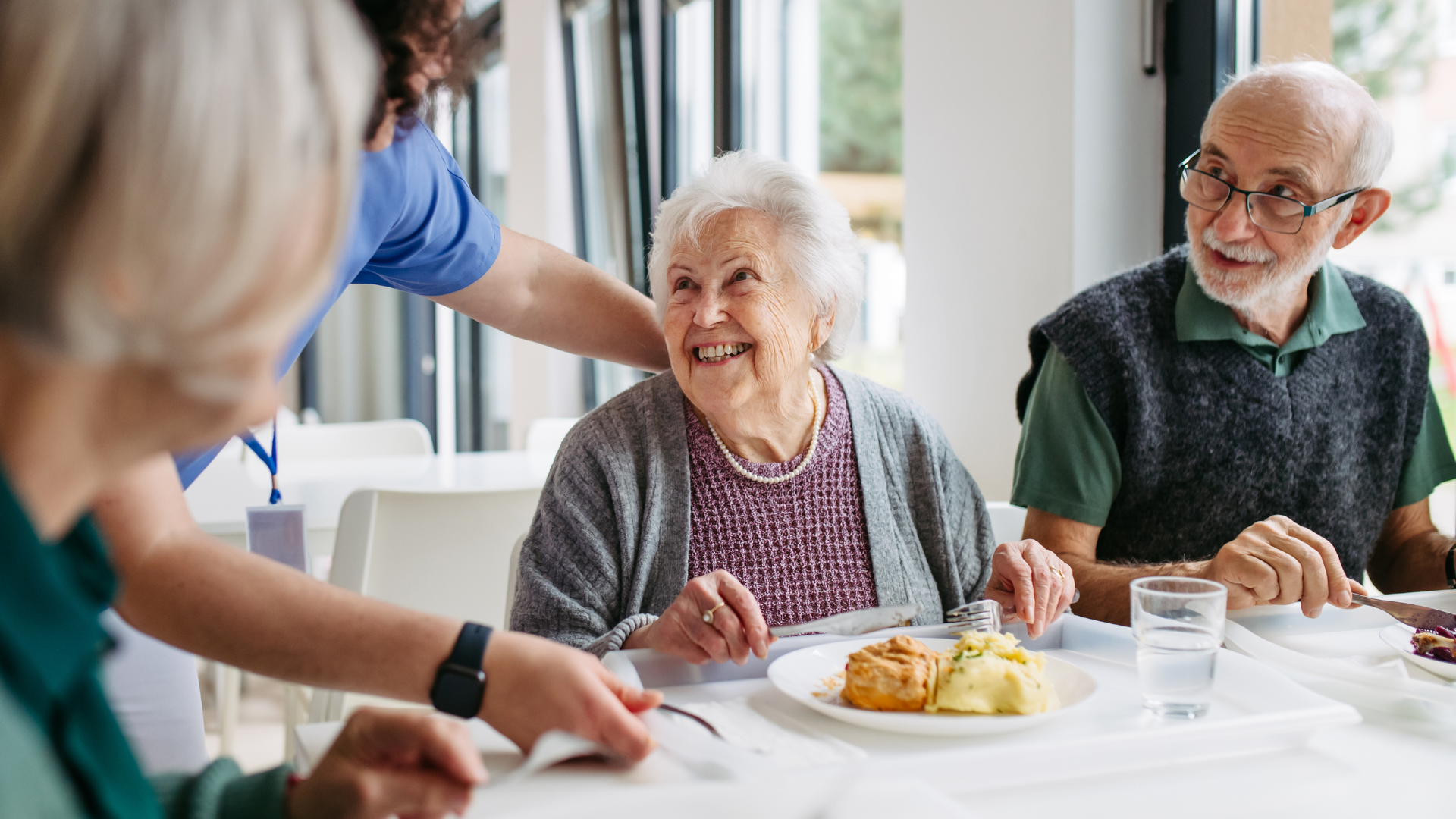
Many families believe the only options are living alone or moving into a nursing facility. In reality, there are several levels of in-home senior care that can be adjusted as needs change.
Start with Companion Care
Some seniors mainly need someone to check in regularly, provide transportation, prepare meals, or offer companionship.
For seniors who are still mostly independent but could benefit from extra support, Companion Care can make everyday life easier while helping reduce isolation.
Increase Care as Needs Grow
If safety concerns become more frequent, families may consider:
- Home Health Care
- Live-In Caregiver Services
- 24-Hour Senior Home Care
These services provide increasing levels of assistance depending on your loved one's physical and cognitive needs.
Around-the-clock care may be appropriate for seniors who wander, have frequent falls, require overnight supervision, or have complex medical conditions.
How to Talk to Mom About Accepting Help
Many seniors resist care because they're afraid of losing their independence. The conversation should focus on maintaining their lifestyle rather than taking it away.
Listen Before You Offer Solutions
Ask questions such as:
- What activities have become more difficult?
- Are there tasks you wish someone could help with?
- What worries you most about living alone?
Listening first helps your parent feel respected and included in the decision-making process.
Focus on Independence
Instead of saying, "You can't live alone anymore," try saying, "We want to help you stay in your own home safely."
This small change in wording often makes the conversation less confrontational.
Professional caregiver services are designed to support independence—not replace it. Many seniors quickly discover they enjoy having help with household tasks, meals, and transportation while continuing to make their own daily choices.
Families with loved ones in nearby communities can also learn about
Companion Care in Englewood.
Why Professional Elderly Home Care Makes a Difference
Family members often try to manage everything themselves. While this comes from love, caregiving can quickly become overwhelming.
Professional caregivers provide consistent support while allowing family members to focus on spending meaningful time together rather than constantly managing appointments, medications, meals, and household responsibilities.
Benefits include:
- Reduced fall risk
- Medication reminders
- Meal preparation
- Personal care assistance
- Companionship
- Transportation assistance
- Peace of mind for family members
As needs change, care plans can also change, making elderly home care a flexible long-term solution.
Families in Fairborn who need similar support can explore Elderly Home Care in Fairborn available in their community.
Elderly Home Care in Beavercreek, OH
Families throughout Beavercreek, OH, are choosing in-home senior care because it allows aging parents to remain in familiar surroundings while receiving personalized assistance. Whether your loved one needs occasional visits or 24-hour supervision, professional caregivers can provide support that fits their current needs and adjusts over time. Many families throughout the Beavercreek area find that early intervention helps seniors remain safer, healthier, and more confident at home.
Schedule a Care Assessment
If you're worried that your mother can no longer live alone safely, Countryside Living & Elderly Home Care LLC is here to help. Our team provides personalized elderly home care and 24-Hour Senior Home Care for families throughout Beavercreek, OH. Call
937-875-0490 today to schedule a care assessment and discuss the right level of support for your loved one.
Frequently Asked Questions
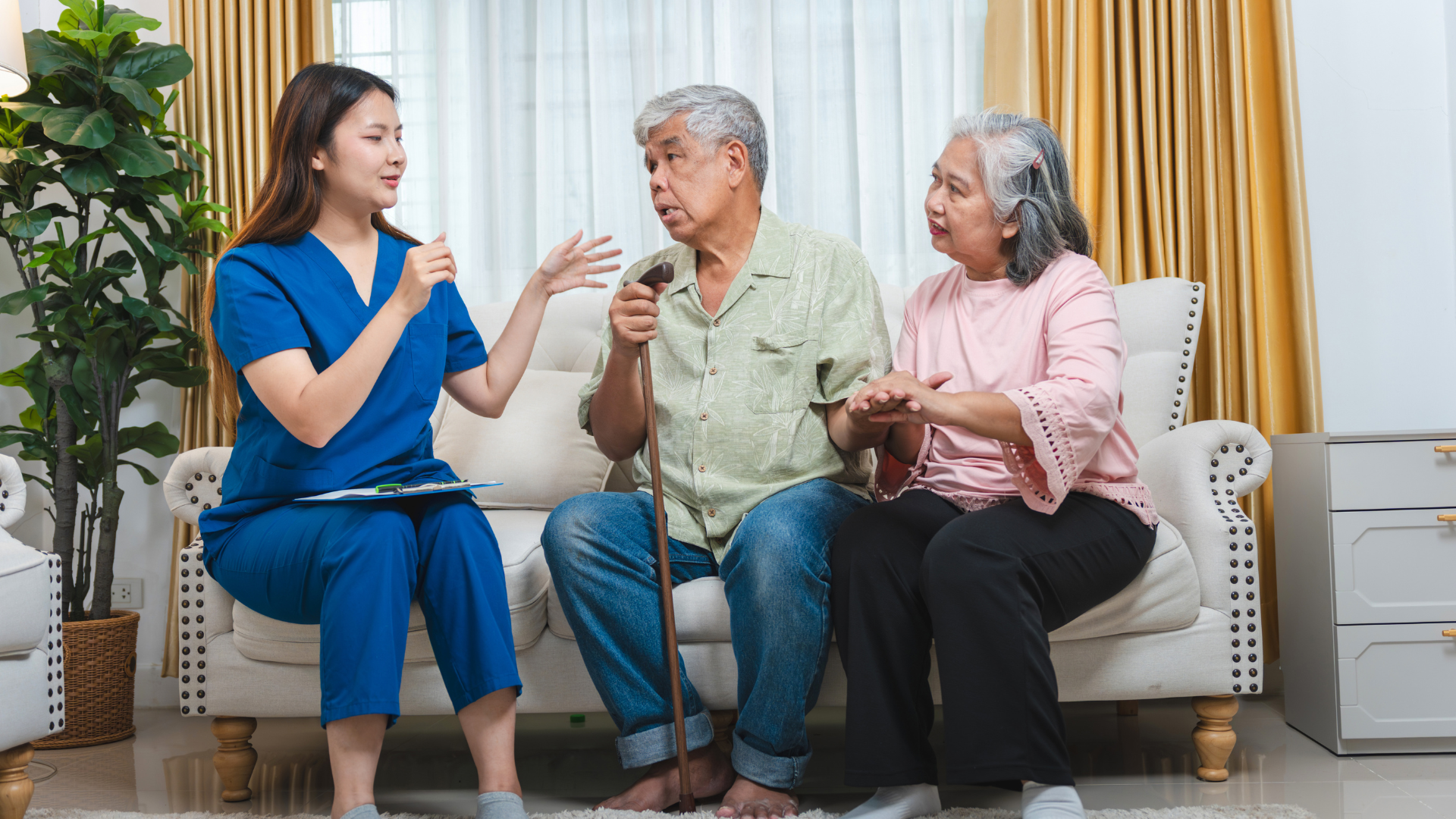
When should an elderly parent stop living alone?
If your parent is experiencing frequent falls, forgetting medications, wandering, struggling with daily activities, or showing signs of confusion, it may be time to consider professional care. A care assessment can help determine the safest option.
What is the difference between companion care and elderly home care?
Companion care focuses primarily on social interaction, meal preparation, transportation, and light household tasks. Elderly home care can include personal care assistance, mobility support, medication reminders, and more hands-on daily help.
Is 24-hour senior home care only for people with serious medical conditions?
No. Some seniors benefit from 24-hour care because of fall risks, dementia, or general safety concerns rather than complex medical needs. Around-the-clock supervision provides peace of mind for both seniors and their families.
Can elderly home care help someone with dementia?
Yes. Dementia home care provides structured routines, supervision, companionship, and assistance with daily activities while helping reduce confusion and anxiety in familiar surroundings.
How do I know which level of care my parent needs?
A professional assessment considers your loved one's physical health, memory, mobility, and daily routines. From there, a customized care plan can recommend the right amount of support.
Helping your mother stay safe doesn't have to mean taking away her independence. The right care can allow her to remain comfortably at home while receiving the assistance she needs. If you're concerned about a loved one in Beavercreek, OH, contact Countryside Living & Elderly Home Care LLC at 937-875-0490 to schedule a care assessment and learn how personalized support can make life safer for your entire family.